
Shop FRT-15 Triggers In Stock Now With Fast Shipping
Looking for a dependable way to keep your frt-15 for sale running at its best? frt-15 for sale is a precision-engineered replacement part designed to restore your equipment’s original performance with a simple, direct fit. You can install it in minutes using standard tools, and its durable construction means fewer interruptions and more consistent output for your daily tasks. Just verify your model’s compatibility, swap out the old component, and you’ll notice smoother operation right away.
Understanding What a FRT-15 Trigger Actually Does
The FRT-15 trigger is a forced-reset trigger that mechanically pushes the trigger shoe forward after each shot, allowing the hammer to drop again without the shooter’s finger completing a full reset. When you see an frt-15 for sale, you’re buying a drop-in unit that replaces your AR-15’s standard trigger group, enabling a firing cycle where the bolt’s forward motion resets the trigger, and your finger’s constant rearward pressure initiates the next shot. The practical effect is a high-speed, semi-automatic-like cadence—not true full-auto, because the sear still catches the hammer each cycle. The key insight for buyers is that your trigger finger must maintain steady pressure; if you relax, the reset stops, so shooting style dictates whether the device performs as intended.
It does not alter the firearm’s classification—it only changes how your trigger interacts with the bolt’s cycle.
This means a trigger listed for sale should be evaluated for spring tension and reset timing to match your grip strength and preferred firing rhythm.
How This Drop-In Unit Transforms Your AR-15’s Fire Rate
Installing this drop-in unit fundamentally rewires your rifle’s firing cycle, unlocking a binary-style reset that nearly doubles your AR-15’s fire rate. The FRT-15’s internal sear geometry releases the hammer the instant the bolt carrier returns to battery, bypassing the standard trigger’s mandatory reset pause. In practice, this means you pull, hold, and the shot breaks again as the bolt slams forward—no finger release needed. The transformation is immediate: your semi-auto rhythm shifts from deliberate single pulls to a rapid, cyclic hammer fall. To maximize the effect:
- Keep a firm, consistent grip to maintain the trigger’s forward-reset contact.
- Use high-pressure ammo for reliable bolt travel and crisp re-engagement.
- Practice short, controlled bursts to manage the elevated cadence safely.
The result is a fire rate that approaches forced-reset speeds, entirely driven by your trigger finger’s stationary press.
Key Differences Between Forced Reset and Bump Fire Systems
A forced reset trigger, like the FRT-15, mechanically returns the trigger forward using the bolt’s energy, requiring a distinct, separate press for each shot—your finger must actively release and re-press, but the reset is automatic and faster than humanly possible. In contrast, a bump fire system relies on recoil energy to bounce the firearm against a stationary finger, with no mechanical reset; the trigger never actually moves, and the shooter maintains constant rearward pressure. This means a forced reset delivers a crisp, tactile reset and predictable shot timing, while bump fire produces erratic, uncontrolled cyclic rates with poor accuracy. The FRT-15’s hammer and sear interaction also prevents the “slam fire” inconsistency common in bump stocks. Key Differences Between Forced Reset and Bump Fire Systems boil down to mechanical precision versus inertial momentum, plus the shooter’s required finger movement—forced reset needs an active press per round, bump fire only needs static pressure.
In short: a forced reset mechanically cycles the trigger for each shot with a defined reset point, while bump fire uses recoil to jostle the gun against your finger—no trigger reset occurs. One is deliberate and repeatable; the other is loose and recoil-dependent.

Compatibility Check: Which Upper and Lower Receivers Work Best
For the FRT-15 to run flawlessly, upper and lower receiver compatibility hinges on mil-spec dimensions and tolerances. A tight, snug fit between the upper’s lug and lower’s pin holes reduces carrier tilt, which the FRT’s faster cycle can exaggerate. Drop-in billet lowers with oversized pins often need shims, while forged Aero Precision or BCM rare breed triggers in stock lowers paired with standard uppers cycle best. Avoid polymer lowers—the trigger’s sear engagement shifts under flex. Also check the hammer pocket depth; some skeletonized lowers don’t leave enough room for the FRT’s taller hammer.
Q: What happens if my lower is out of spec for the FRT-15?
A: You’ll get light primer strikes or double fires—the trigger resets too early on a loose fit, or slams on a tight one. Test with a dummy round first.
What to Look for in a Quality FRT-15 Unit Before You Buy
When evaluating an FRT-15 for sale, first inspect the trigger housing and sear surfaces for uniform machining marks, not rough tooling, as uneven metal causes inconsistent reset. Verify the drop-in unit’s fitment by checking that the rear pins seat without excessive force; a loose fit indicates out-of-spec dimensions that will fail after a few hundred rounds. Look for a hardened steel hammer and disconnector, not cast components, since softer metals wear at the contact points and alter the pull weight. Also, test the reset spring tension manually—a quality unit has a distinct, tactile click-back with no gritty drag. Finally, request the seller’s return policy and a video of the unit functioning on a similar lower receiver, because a quality FRT-15 unit should cycle reliably across multiple upper configurations without alteration.
Material Quality and Machining Tolerances That Prevent Malfunctions
When evaluating an frt-15 for sale, inspect the **receiver and trigger pocket machining tolerances**—slop here causes trigger bounce or hammer follow. The sear engagement surfaces must be ground, not cast, with a consistent 0.002–0.005-inch clearance to prevent drag-induced reset failure. Carrier rail dimensions should hold ±0.001 inch to avoid binding during forced reset cycling. Check that the trip lever’s pivot hole is reamed (not drilled) and the pin fits snugly—excess play leads to inconsistent trip timing. Poor material hardness (below RC 40 on critical cam surfaces) accelerates wear, producing premature misfires. A quality unit uses billet steel or hardened tool-grade alloys in the tripping components. Verify no burrs on the bolt catch lug path; rough edges cause intermittent lockup.
Q: What is the most common tolerance-related malfunction in an frt-15?
A: A loose trigger-to-trip pin fit—even 0.003 inch of radial frt 15 trigger play—can cause the hammer to follow the bolt forward, resulting in a slam-fire or incomplete reset. Precision reaming and matched pins eliminate this failure mode.
Spring Tension and Reset Speed – What Feels Right for You
When evaluating an **FRT-15 for sale**, spring tension dictates how aggressively the bolt carrier returns, directly shaping reset speed. A heavier spring yields a snappier, faster reset ideal for rapid bump-fire but can induce muzzle dip and shooter fatigue; a lighter spring softens the cycle, improving control during sustained strings but risking sluggish follow-through if the trigger isn’t fully released. Your grip strength and firing cadence matter—test a unit’s trigger with dummy rounds to feel the wall and break point. The optimal setup is one where the reset length feels short enough to maintain rhythm without forcing you to alter your natural trigger finger position. Personal reset-speed tuning is non-negotiable for consistent performance.
Q: How does spring tension affect reset speed in an FRT-15 for sale?
A: Higher tension shortens the reset stroke time, producing a quicker, more tactile click for fast finger re-engagement. However, if your firing pace is slower, this can cause premature hammer fall or double shots. Conversely, lower tension lengthens the reset window, requiring a deliberate release, which suits controlled, deliberate shooting. Match the spring rate to your trigger pull speed—not the other way around.
New vs. Used Units – Potential Wear Points to Inspect Carefully
When comparing new vs. used units for a **FRT-15 for sale**, a new trigger pack guarantees untouched sear surfaces, while a used unit demands scrutiny of the trigger bow’s rotational wear and the hammer’s engagement ledge. Inspect the bolt trip lever for galling, the trigger pin holes for ovaling, and the disconnecter’s reset notch for peening. A used unit’s recoil spring channel often shows erosion from high-round counts, so check for polished bright spots. If the trigger pull feels gritty or stacks, walk away—internal wear is imminent. **Prioritize unfired or low-round used units** and always test the reset with a snap cap.
Q: What is the most overlooked wear point on a used FRT-15?
A: The trigger’s cam track inside the housing—if it shows a stepped ledge, the unit’s cycle timing is compromised, and it will fail to force-reset reliably even if all external parts look clean.
Step-by-Step Installation and First-Time Setup Advice
When your FRT-15 for sale arrives, begin by confirming the bolt carrier group is fully disassembled and the trigger pocket is clear of debris. Install the FRT-15 into the lower receiver first, ensuring the hammer spring legs sit correctly on the trigger pin, then insert the rear pin and verify the selector moves freely through all positions. For first-time setup, use a function check with the upper receiver removed: charge the charging handle, pull the trigger, and confirm the hammer resets automatically without binding. Lubricate the sear engagement surfaces lightly with a quality grease—over-oiling attracts carbon and causes malfunctions. Test with snap caps before live fire to verify the reset cycle and prevent damage to the bolt. If the trigger fails to reset, check that the disconnector spring is oriented with the longer leg facing forward, as ps90 frt trigger reversed installation is the most common error. Torque the trigger pins to specification and reinstall the upper, then run a slow manual cycle to confirm no interference with the carrier.
Tools You’ll Need and Common Installation Pitfalls to Avoid
Before starting, gather a punch-style trigger guard wot trigger tool, a roll-pin punch set, a bench block, and a small mallet, as these are essential for installing a frt-15 for sale without damaging the receiver. The most common pitfall is forcing the trigger pin; instead, align the lower receiver’s holes perfectly and tap gently. Another frequent error is using a standard hammer, which can mar the finish or bend the pin—always use a brass or nylon mallet. Correct pin alignment is critical to avoid sear binding, and you should test the trigger reset by hand before reassembling the upper. Lubricating the pins with a light oil beforehand prevents galling and eases final seating. Avoid over-torquing the selector detent spring, as this causes a gritty pull.
Proper Lubrication Points for Smooth Resets and Reliable Cycling
For an FRT-15 to deliver smooth resets, apply a light synthetic grease to the trigger group’s sear engagement surfaces, not the entire housing. Focus on the trip lever pivot pin and the hammer’s cam track, where friction directly impedes the forced-reset cycle. A single drop of thin oil on the bolt carrier’s rear lug contact patch prevents galling during high-speed cycling. Avoid over-lubricating the disconnector spring pocket—excess viscosity slows component return. Wipe the receiver rails dry after oiling, since pooled lubricant attracts debris that increases drag. Reapply every 300 rounds to maintain consistent reset timing.
Proper lubrication is concentrated: sear, trip pivot, hammer cam, and bolt lug—sparingly applied for reliable resets.
Shooting Position and Grip Adjustments to Maintain Control

When installing an frt-15 for sale, your shooting position directly dictates how much recoil you can counteract before the trigger resets. Establish a stable, forward-leaning stance with your support hand pressing firmly toward the muzzle to prevent the rifle from climbing during rapid fire. Adjust your grip so the firing hand’s thumb rides high along the receiver, while the support elbow tucks under the magazine well—this creates a counter-lever against muzzle rise. If your trigger finger stretches to reach the paddle, rotate the grip’s backstrap or reposition your shoulder pocket deeper into the stock. A consistent cheek weld and tight rear bag pressure further minimize stock shift, ensuring your trigger pull remains repeatable.
Practical Shooting Tips to Maximize Accuracy and Speed
To maximize accuracy and speed with your frt-15 for sale trigger, master the reset—release only until you feel the click, then press again without lifting your finger. This shaves fractions off split times while keeping the muzzle flat. Pair this with a firm support-hand grip, driving the pistol forward to counter the faster cyclic action. For precision on rapid pairs, focus on the front sight through the entire recoil impulse, not the target. Dry-fire repetitions program your muscle memory for the trigger’s short travel, turning practical shooting accuracy into an instinct. Finally, tune your stance—lean slightly into the gun to absorb the increased rate of fire, keeping your follow-up shots on target without sacrificing speed.
Finding the Perfect Trigger Finger Placement for Consistent Resets
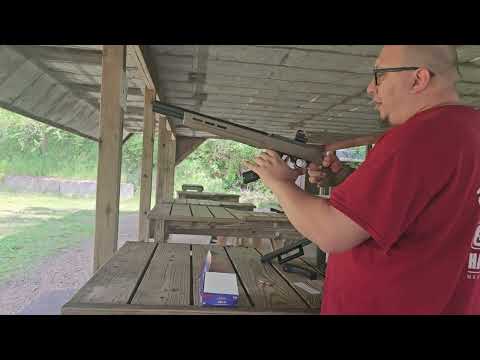
For an FRT-15, consistent resets hinge on the pad of your index finger making the same, minimal contact point every time. Place it just distal to the first joint, not on the tip, to avoid dragging the trigger on the return stroke. This precise position lets the sear trip instantly without over-travel, so your finger never leaves the face of the shoe. Keep your grip pressure firm but neutral in the support hand, allowing the trigger finger to move in isolation. By locking this placement through dry-fire repetition, you train the muscle memory that delivers rapid, uninterrupted trigger resets on every burst, eliminating any wasted motion between shots.
Managing Recoil Impulse with Different Ammo Loads and Buffer Weights
When dialing in an FRT-15, your ammo choice and buffer weight directly shape how the recoil impulse feels and how fast the trigger resets. Lighter loads like 55-grain FMJ tend to produce a snappier, sharper kick, which can outrun a heavy buffer and cause sluggish bolt return. On the flip side, hotter 77-grain OTM rounds deliver a slower, push-style impulse that pairs beautifully with a standard carbine buffer for smoother cycling. For the best balance with binary-style fire, test a tuned buffer weight for recoil impulse—start with an H2 and swap to H3 if your splits feel mushy. Match your buffer spring to the ammo’s power factor, and you’ll keep the muzzle flat without robbing mp5 frt trigger your trigger reset speed.
How to Run Failure Drills If the Trigger Does Not Reset Cleanly
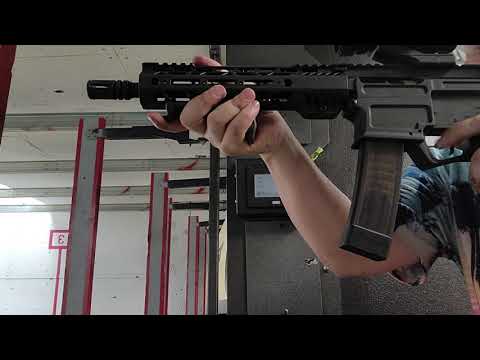
When running failure drills with an FRT-15 and the trigger fails to reset cleanly, immediately drive the support hand forward while maintaining a firm grip to apply forward pressure on the receiver, which often frees the stuck hammer. Next, keep the muzzle downrange and use your trigger finger to feel for the reset point; if resistance persists, execute a sharp tap on the base of the magazine to jar the trigger group, then rack the charging handle fully to cycle a fresh round. Recovering from an unclean reset demands a deliberate re-engagement sequence: verify the trigger forward, reacquire your sight picture, and press again only when the sear clicks. Practice this loop at 7–10 yards, firing two rounds, then immediately initiating the reset check before your third shot. This builds muscle memory for the FRT-15’s unique binary-like action.
- Apply forward pressure on the receiver while keeping the weapon shouldered.
- Tap the magazine base, then rack the charging handle fully.
- Confirm trigger forward movement, reacquire sights, and fire one aimed round.
- Repeat until reset becomes smooth, then chain failure drills into your standard cadence.
Frequently Asked Questions About FRT-15 Ownership and Use
When you finally see a FRT-15 for sale, the first question isn’t price—it’s whether the trigger will run in your specific lower receiver. Buyers ask about wear on the sear trip, because a used unit can show erratic reset if the previous owner ran it dry. Another common concern is the break-in period: some rifles need 200 rounds before the forced reset feels consistent, and that’s not a defect. People also wonder if they can swap the trigger into a pistol build—answer is no, the geometry only suits rifle-length buffer systems.
The smartest move is asking the seller for a video of the bolt cycling slowly, because a crisp reset on camera beats any verbal guarantee.
Finally, owners repeatedly ask about lubrication points, since a dry FRT-15 for sale will often double-fire instead of resetting cleanly. That’s the practical reality—know your receiver, test the reset, oil the rails.
Will This Work with a Standard AR-15 Lower or Do I Need Upgrades?
The FRT-15 trigger is engineered as a drop-in replacement for a mil-spec AR-15 lower, meaning standard trigger pocket dimensions and pin holes are all that’s required. Most factory lowers, including polymer options, accept the unit without modification, provided the hammer and trigger pins are not oversized. However, you must verify that your lower’s safety selector detent channel aligns correctly, as some aftermarket billet lowers use tighter tolerances that can bind the trigger’s sliding mechanism. Similarly, a trigger guard with extra thickness may impede the drop-in housing’s rear tab. In practice, you should test-fit the unit before installing the grip; if the trigger bow does not reset crisply with an empty upper receiver, you likely need an anti-walk pin kit, not a new lower. Upgrades are rarely necessary unless your lower has an integral trigger mechanism, such as in certain proprietary designs, which would preclude compatibility entirely.
How Often Should You Clean or Replace Parts for Longevity
For an FRT-15, cleaning frequency depends on round count, not calendar time—inspect and lubricate the trigger pack every 500 to 1,000 rounds to prevent carbon fouling from affecting the sear trip mechanism. Replace the internal hammer and trigger springs after roughly 5,000 rounds, or sooner if reset feels sluggish, since these are the first components to fatigue under rapid-fire stress. The bolt carrier’s cam pin and buffer should be checked every 2,000 rounds for peening, and the trigger’s disconnecter tip—critical for reliable binary-style function—wears fastest; swap it at the first sign of light primer strikes or double-fire inconsistency. For maximum FRT-15 service life, replace the recoil spring every 3,000 rounds and never lubricate with heavy grease, which traps debris and accelerates sear wear.
What Barrel Length or Gas System Works Best for Rapid Fire Sessions
For rapid fire sessions with an FRT-15, a **16-inch barrel with a carbine-length gas system** strikes the optimal balance between reliability and control. The shorter gas system delivers more port pressure, ensuring consistent bolt carrier velocity even when firing at maximum trigger speed, which prevents short-stroking. Avoid rifle-length systems on shorter barrels, as they can starve the action under sustained cadence. For pinned-and-welded builds, an 11.5-inch barrel with a carbine gas system offers superior suppression compatibility and faster cyclic recovery, though it increases muzzle rise. If you tune with an adjustable gas block, follow this sequence:
- Close the block fully, then open two clicks from closed.
- Fire three-round bursts; if the bolt locks back on an empty magazine, add one click.
- Test with weak ammo (223 REM 55-grain) before switching to high-pressure loads.
This setup guarantees hammer follow-through without bolt bounce, keeping your rapid fire https://rarebreedtriggertx.com/ sessions smooth and uninterrupted.